Practical, hands-on training in construction project management methodologies designed for real-world application.
Learn to adapt agile principles to construction environments for faster decision-making and improved project adaptability.
This training helps you implement iterative planning cycles, daily coordination meetings, and sprint-based scheduling in construction contexts. You'll learn how to break down large projects into manageable phases, adjust plans based on real-time feedback, and maintain team alignment through regular touchpoints.
Identify bottlenecks and streamline processes to reduce delays and improve resource utilization across projects.
Master techniques for analyzing current workflows and implementing systematic improvements. Learn how to map processes, identify waste, optimize resource allocation, and create feedback loops for continuous improvement. This training focuses on lean construction principles adapted to Argentine building contexts.
Build effective communication systems and coordination practices that keep everyone aligned and productive.
Develop skills in managing diverse teams from subcontractors to suppliers. Learn communication protocols, conflict resolution methods, and techniques for maintaining role clarity. This training covers both on-site coordination and remote team management approaches.
Create realistic timelines and manage dependencies to keep projects on track and meet critical deadlines.
Learn advanced scheduling techniques including critical path analysis, buffer management, and recovery planning for delayed projects. Understand how to develop schedules that account for realistic constraints, manage dependencies effectively, and communicate timeline expectations to stakeholders.
Monitor costs effectively and make informed decisions to keep projects financially viable and profitable.
Understand cost estimation, variance analysis, and financial reporting techniques specific to construction project management. Learn how to develop accurate budgets, track costs in real-time, identify variances early, and make data-driven decisions about resource allocation and change orders.
Identify potential issues early and develop mitigation strategies to protect project outcomes and profitability.
Learn systematic approaches to risk identification, assessment, and response planning tailored to construction environments. Understand how to conduct risk assessments, prioritize threats and opportunities, develop mitigation plans, and maintain risk registers throughout project lifecycles.
How Our Training Works
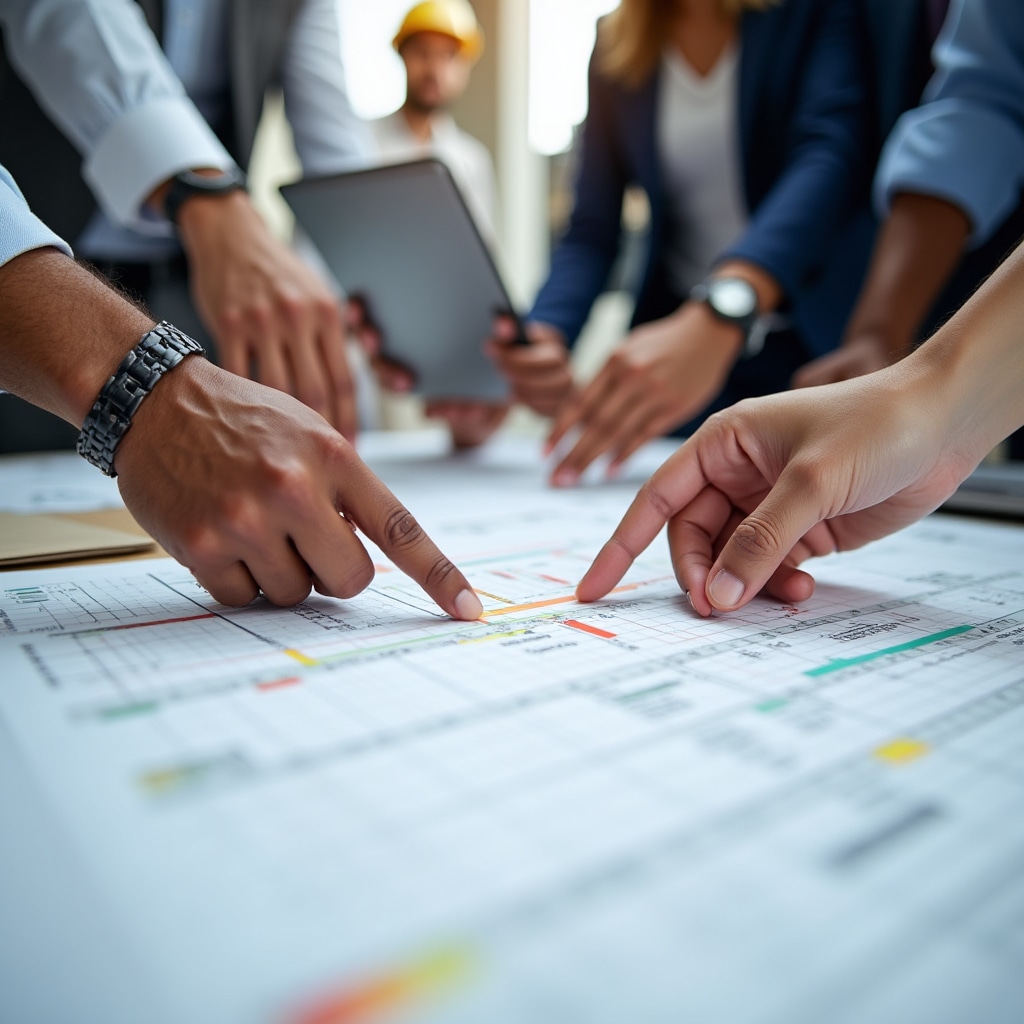
Training sessions combine instruction with hands-on exercises. You'll work through real construction scenarios, applying methodologies to situations similar to those you encounter on your projects. This approach helps bridge the gap between theory and practice.
Each program includes analysis of actual construction projects, examining what worked, what didn't, and why. These case studies are drawn from Argentine construction contexts, making the lessons directly applicable to your work environment.
You'll create practical tools during training—templates, checklists, process maps—that you can immediately use on your projects. These aren't generic downloads; they're customized frameworks developed through the training exercises.
Training participants have access to follow-up consultation sessions where they can discuss implementation challenges, ask questions about specific project situations, and refine their approach based on real-world application experience.
Contact us to learn more about program schedules, formats, and how our training can help improve your project management capabilities.
Get in Touch